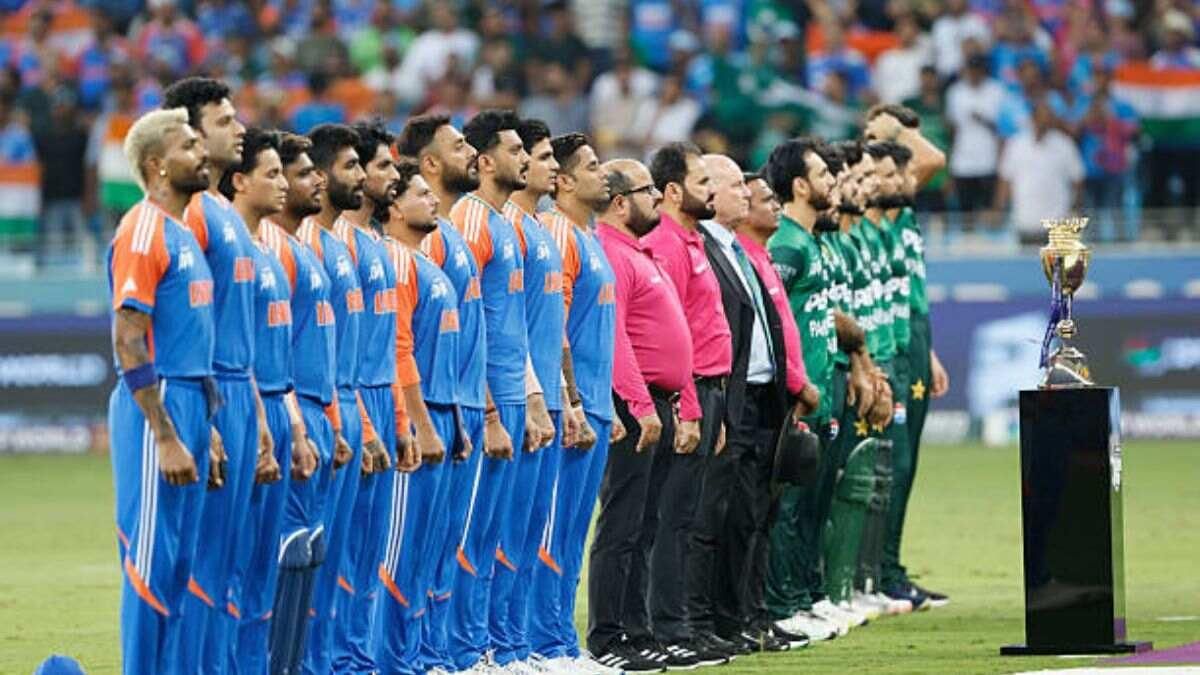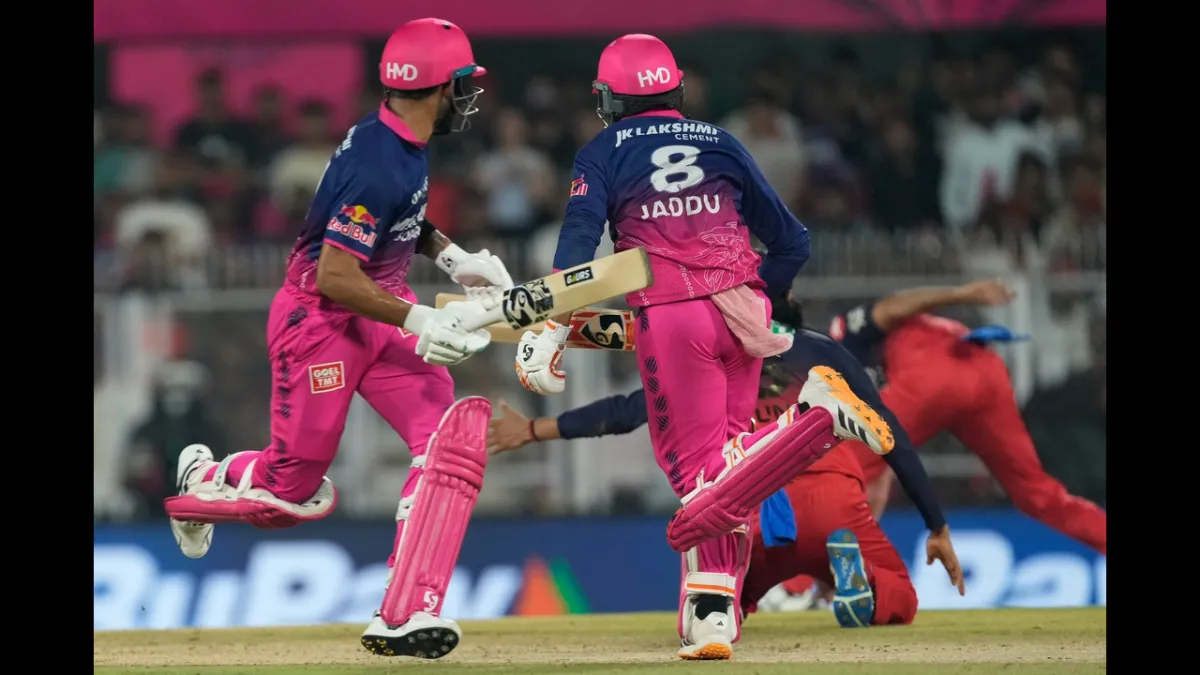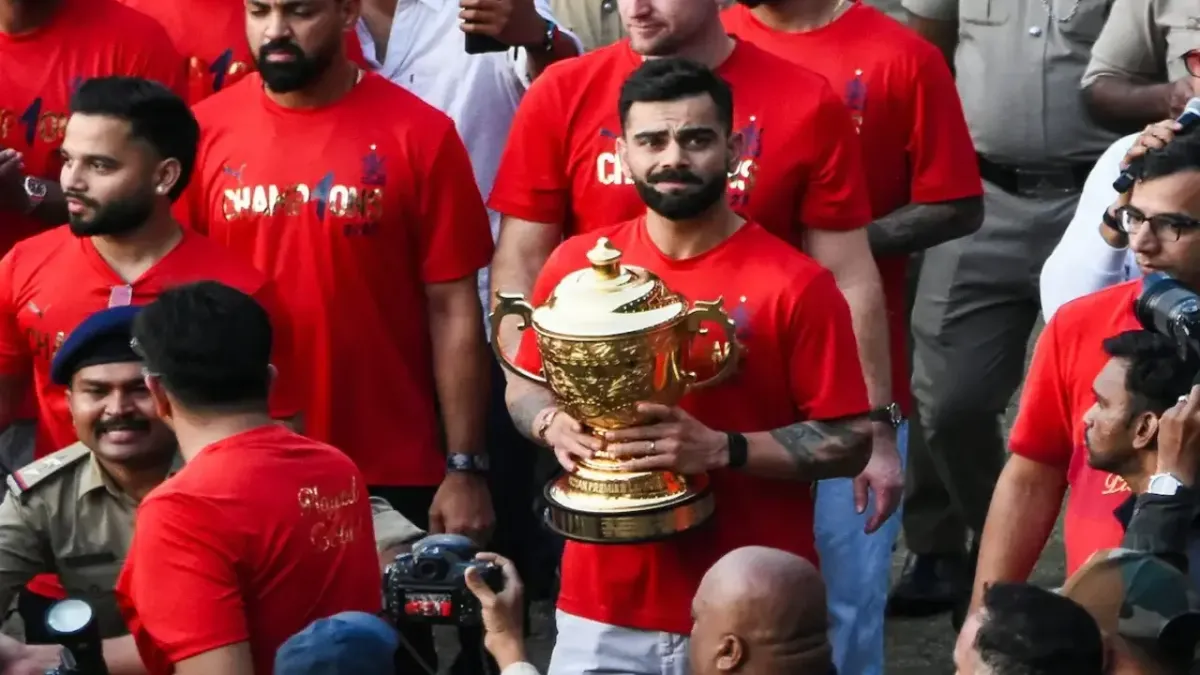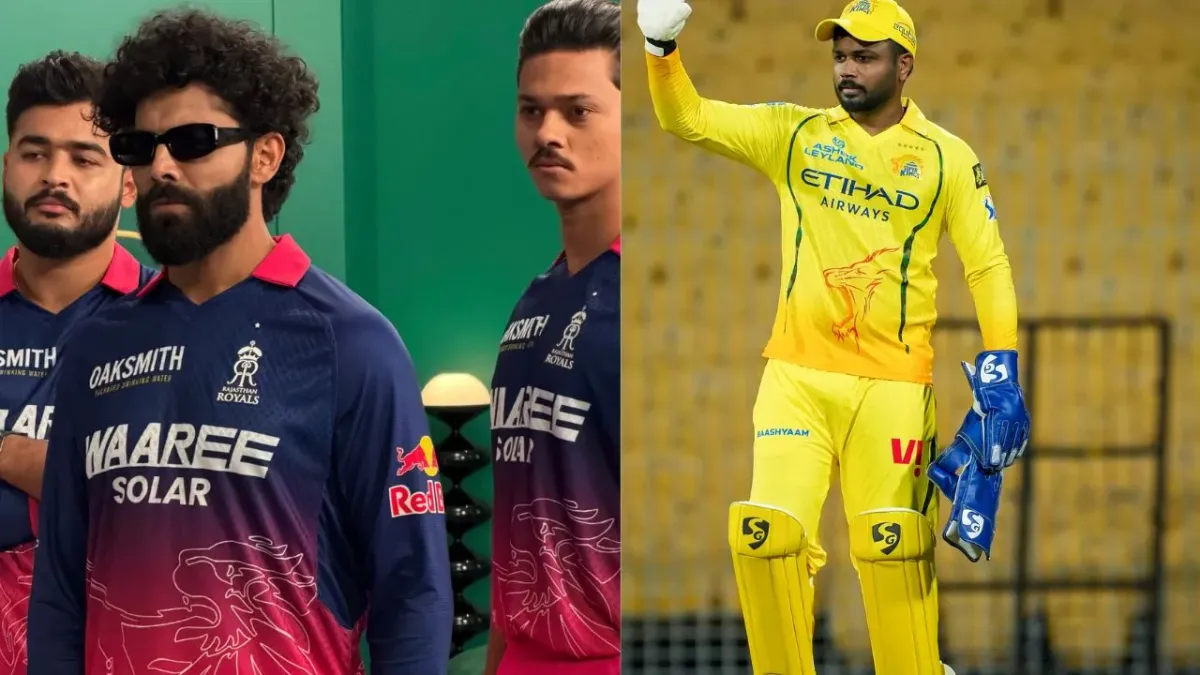
What makes T20 matches special and memorable, and why do fans cherish them for a long time? Is it last ball finish? Is it the intense rivalry between India and Pakistan or Australia and England that stirs pride and passion? Is it the captain’s strategy and tactics, the momentum swings or an unanticipated finish?
The cricket fans will vividly remember the T20 World Cup 2024 final, where Surya’s incredible catch turned the game in India’s favour, and Yuvraj’s six consecutive sixes against Stuart Broad in 2007 remain iconic, as if they happened yesterday. The first bowl-out between India and Pakistan in 2007, in which Dhoni’s tactics led India to victory, also stands out as a historic moment cherished by fans.
Let us look back at the history of T20 games, which still makes us feel proud to witness in the stadium or on your television screen, makes your face tense, or brings a smile to the corner of your lips that you predicted the result. The following game endures because they offer everything cricket lovers enjoy in four hours: rivalries, tactics, momentum swings, and finishing moments captured forever in the mind.
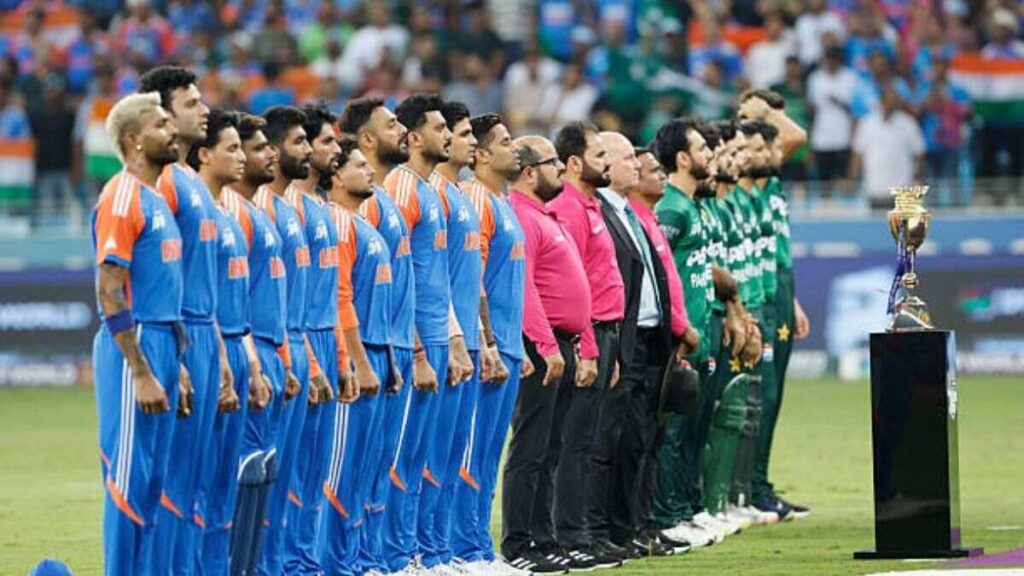
The first T20 World Cup final, between India and Pakistan in 2007 at the Wanderers, was the match that announced T20 as a high-pressure format. The match was set up for dramatic moments, with India having already beaten Pakistan in the group stage in the first-ever ball-out. Though not high-scoring, the game’s pressure and Joginder Sharma’s iconic last over created a tense atmosphere that cricket lovers will remember forever.
/crictoday/media/media_files/wp-content/uploads/2023/09/Untitled-design-48-1024x576.jpg)
India posted 157 for five wickets in their 20 overs, with Gautam Gambhir scoring 75 off 54 balls and Rohit contributing 30 off 16 balls. Yosuf Pathan opened in that match in place of the injured Virendra Sehwag. Dhoni and Yuvraj couldn’t contribute much with the bat in that innings. The chase looked on for Pakistan when Misbah-ul-Haq was dragging the game away from India by hitting three sixes off Harbhajan Singh.
With Pakistan needing 13 runs in the final over, India’s captain, cool Mahindra Singh Dhone, threw the last over to the inexperienced Joginder Sharma, relying on instinct and calculated risk. The tension doubled when Misbah hit the second ball of the over for six, leaving six runs needed from four balls. On the next ball, Joginder bowled a full toss on the stumps, and Misbah tried to scoop over fine leg. Sreesanth, running from short fine leg, caught it. The scene is etched in the history of the game, and India won the inaugural World T20 World Cup with a young, inexperienced team, led for the very first time by M.S. Dhoni, who later became India’s most successful captain by winning the Champions Trophy in 2013 and the World Cup in 2011.
The architecture of this victory was all three left-armers. In batting, it was Gautam Gambhir, and in bowling, R. P. Singh and Irfan Pathan, who each took three wickets. However, the limelight went to Joginder Sharma, who bowled the famous last over. Irfan Pathan was declared Man of the Match for his brilliant bowling in four overs. He conceded only 16 runs, taking 3 crucial wickets: Shahid Afridi, Pakistani skipper Shoaib Malik, and Yasir Arafat.
In the post-match ceremony, Dhoni said, “This is one of the things that I will treasure for the rest of my life.” Not only him, but millions of cricket fans of India and future generations will feel proud and inspired by this historic victory, cherishing the moment forever.
The other greatest T20 World Cup matches in history will be discussed in the next article.