Omega is a name that carries considerable weight in the watch world. Its watches are recognised not only for their appearance but also for the engineering behind them. The Speedmaster, Seamaster, Constellation and De Ville collections each have a distinct identity, and that recognition has helped create a sizeable market for imitation watches.
People searching for replica Omega or Omega replica products are often interested in more than a familiar logo or a similar-looking dial. They want to understand what these watches are made of, how their movements work, why some versions look more convincing than others, and where the differences from genuine Omega models become apparent.
Those questions deserve a closer look. A replica may borrow the visual language of an established Omega model, but appearance is only one part of a watch. The movement, case construction, finishing, component quality and long-term reliability tell a much larger story. Understanding those details also makes it easier to separate verifiable specifications from claims used in product descriptions.
What Does the Term Replica Omega Actually Mean?
The phrase replica Omega watches is commonly used online to describe watches made to imitate the appearance of Omega models. The term covers a broad range of products, and it does not describe a recognised manufacturing standard. Two watches advertised with the same wording can have very different components, construction methods and levels of finishing.
Some imitate the general shape and colour scheme of a particular collection. Others attempt to reproduce smaller details, including bezel markings, dial textures, hands, hour markers, case proportions and bracelet design. The level of visual similarity can vary considerably, but a close exterior resemblance does not establish that the watch uses genuine Omega components or equivalent engineering.
It is also important to distinguish an imitation from a legitimate watch inspired by a general design style. A watch carrying Omega’s protected branding or presenting itself as an Omega product without authorisation raises trademark and consumer-protection concerns. The word replica should not be treated as proof that a product is authentic, licensed or manufactured to the same standards as the original.
The Movement: The Most Important Difference Beneath the Dial
The movement is arguably the most significant technical difference between a genuine Omega watch and many imitation versions. It determines how the watch keeps time, how its functions operate and what kind of maintenance it may require. Two watches can look remarkably similar from the front while containing entirely different mechanisms.
Omega uses different movement technologies across its collections and references. Depending on the model, a genuine watch may use a mechanical automatic movement, a manually wound movement or a quartz movement. Mechanical chronographs add another layer of complexity because they must coordinate ordinary timekeeping with the start, stop and reset functions of the stopwatch mechanism.
Imitation watches may use generic mechanical or quartz movements, including mechanisms that resemble the layout of the original without sharing its construction. In some chronograph-style models, the visible subdials may not perform the same functions as those on the genuine watch. A dial can therefore look convincing in a photograph while the watch behaves differently when its pushers and controls are used.
Movement descriptions need careful interpretation. Phrases such as “Swiss movement”, “automatic calibre” or a named movement reference should not be accepted without supporting evidence. A seller’s description does not independently establish the movement’s manufacturer, origin, architecture or performance. Where the mechanism cannot be inspected, its exact identity should be regarded as unverified.
There is also a practical difference in servicing. Genuine Omega movements are supported by the manufacturer’s service network and established technical documentation. An imitation containing an unidentified movement may be harder to repair, and replacement parts may not be readily available. Even if it continues to run, its long-term serviceability can be very different.
Case Materials, Dimensions and Finishing
The case is one of the first things people notice when examining a watch, but its quality involves much more than its overall shape. Case dimensions, thickness, lug proportions, edge transitions, surface treatment and the relationship between polished and brushed areas all influence how a watch looks and feels.
Stainless steel is widely used in watchmaking, but a product description that simply says “stainless steel” does not reveal the exact grade, finishing process or consistency of the material. The same applies to claims about ceramic bezels, sapphire crystals and precious-metal finishes. These specifications require reliable evidence rather than assumptions based on appearance.
Finishing is particularly revealing when viewed closely. On a well-made case, brushed surfaces tend to have a consistent grain, while polished sections show controlled reflections. The transitions between different finishes should look deliberate rather than rough or uneven. Poorly finished edges, inconsistent brushing and imprecise case details can make an imitation look less convincing even when its general dimensions are similar to the reference design.
Weight alone is not a reliable quality test. A heavier watch is not necessarily better made, and a lighter watch is not automatically inferior. Weight depends on the case material, movement, bracelet construction and overall dimensions. It should be considered alongside other evidence rather than used as a shortcut for judging quality.
Dial Details: Why Small Differences Matter
The dial is often the most visually recognisable part of an Omega design. Its colour, texture, markers, hands, printing and subdial arrangement work together to create the identity of a particular model. This is also why small inaccuracies can become noticeable when a watch is examined carefully.
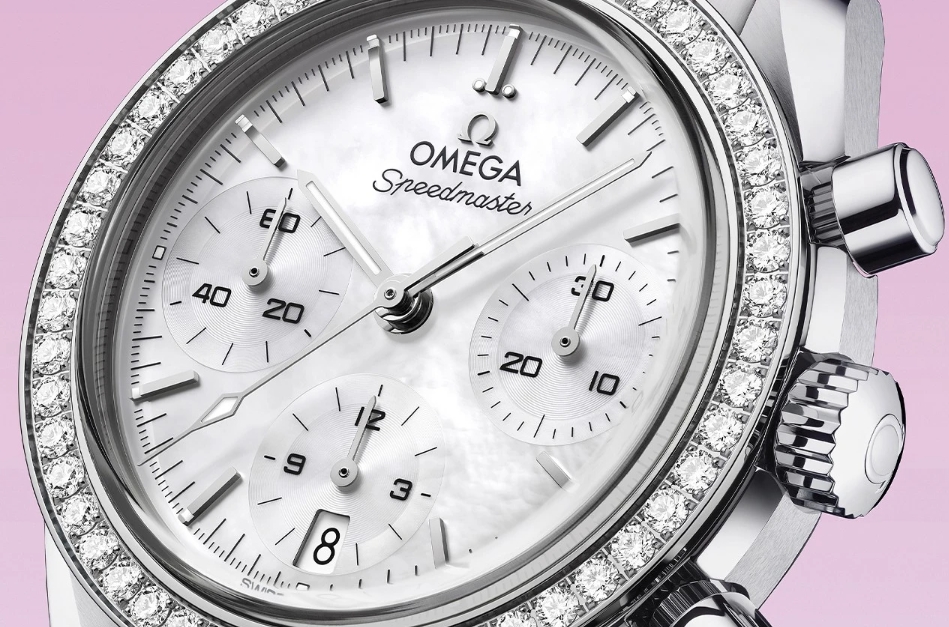
On a Speedmaster-style chronograph, the spacing and alignment of the subdials are important. The printed scales, tachymeter markings, hand shapes and position of the date display can differ between references and generations. A dial that appears broadly correct may still combine details from different versions of the collection.
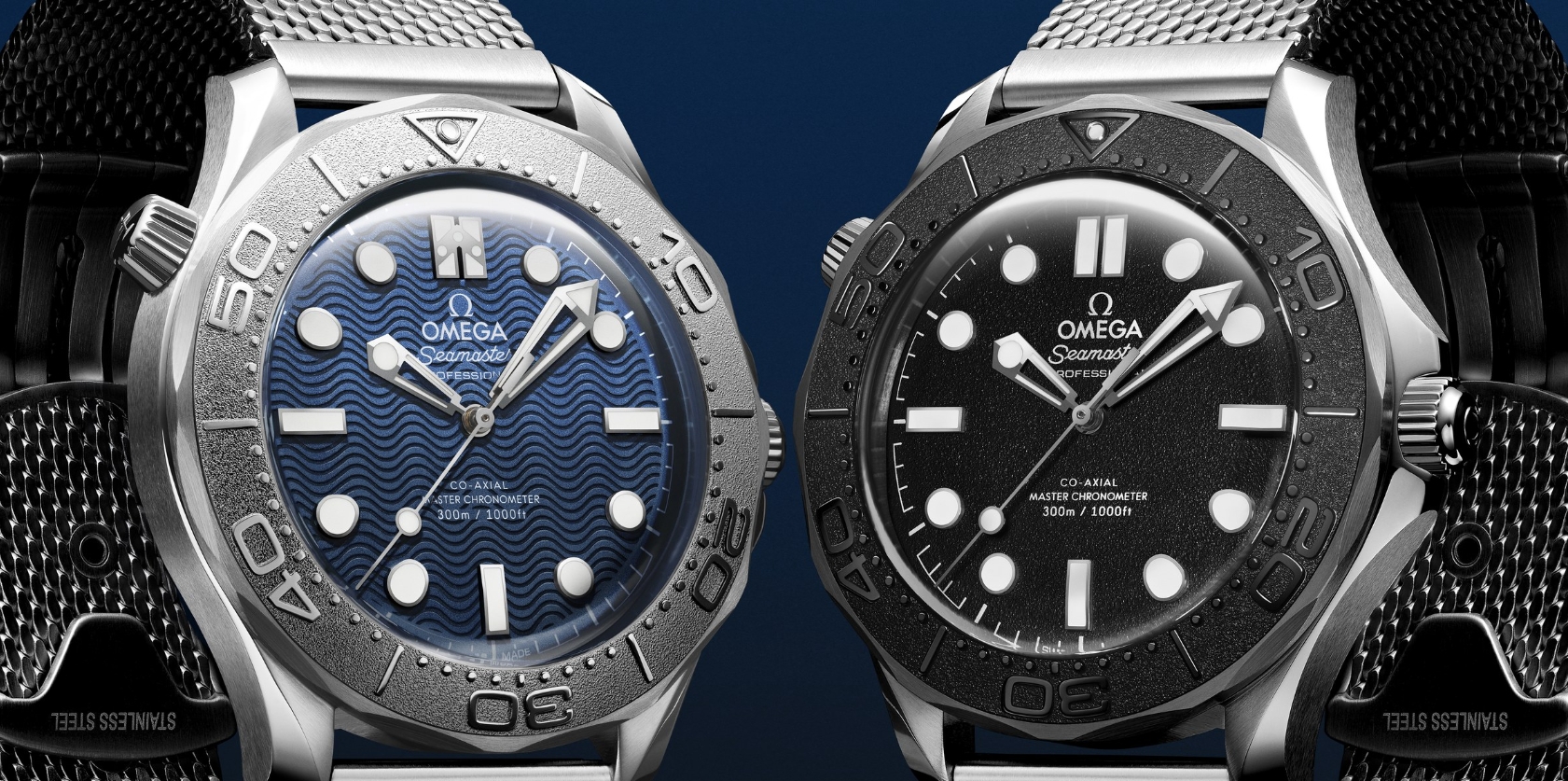
Seamaster designs present a different set of details. Depending on the model, the dial may feature wave patterns, applied indices, distinctive hands and a rotating bezel. The depth and consistency of the dial texture, the clarity of the markings and the alignment of the bezel all contribute to the overall appearance.
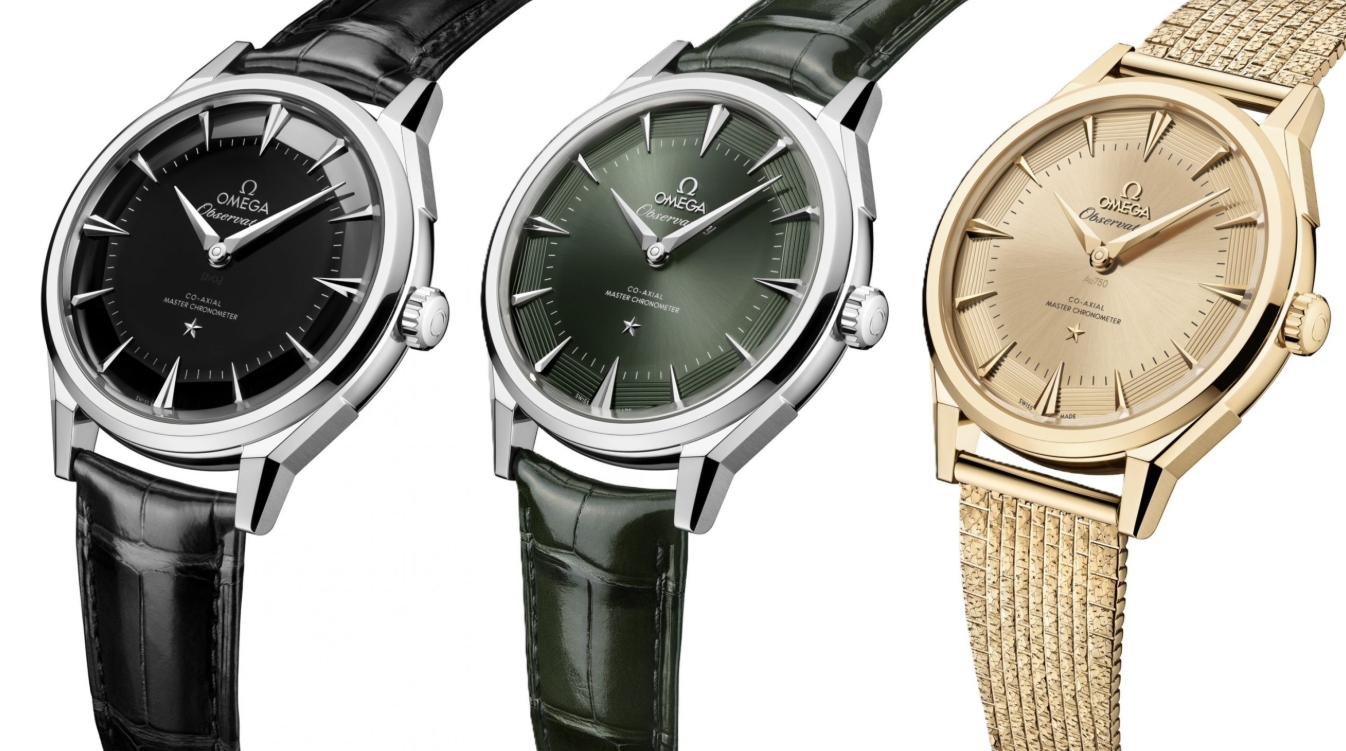
Constellation and De Ville watches can look simpler at first glance, but their finishing still requires attention. Applied markers, date-window proportions, dial surfaces and the relationship between the case and bracelet are important parts of their design. Simplicity does not mean that every detail is easy to reproduce accurately.
Photographs can help reveal visible differences, but they have limitations. Lighting, camera angle, image compression and digital editing can all change how a dial appears. A product image cannot establish the origin of a component or prove that the watch contains the movement described by its seller.
Bracelets, Clasps and Everyday Construction
A bracelet contributes significantly to the comfort and appearance of a watch. Its links, articulation, finishing and clasp design all affect how it sits on the wrist. On some Omega models, the bracelet is a defining part of the design rather than a secondary accessory.
When examining an imitation, the visible shape of the links is only one consideration. The way the links move, the consistency of their edges, the feel of the clasp and the security of the fastening are also relevant. A bracelet can resemble the original from a distance but feel quite different during everyday use.
Clasp construction is another area where photographs provide limited information. Images may show the external shape and engraving, but they cannot reliably demonstrate how the mechanism closes, whether it remains secure or how it performs after repeated use.
The same caution applies to straps. Rubber, leather and textile straps vary in flexibility, texture, stitching and attachment quality. A description naming a particular material does not prove that the strap uses the same material or manufacturing process as an official Omega component.
How Replica Versions Differ Across Omega Collections
There is no single formula for an Omega imitation because the brand’s collections have different design requirements. The construction of a chronograph, the appearance of a diving watch and the proportions of a dress watch present different challenges.
Speedmaster: Chronograph Layout and Mechanical Complexity
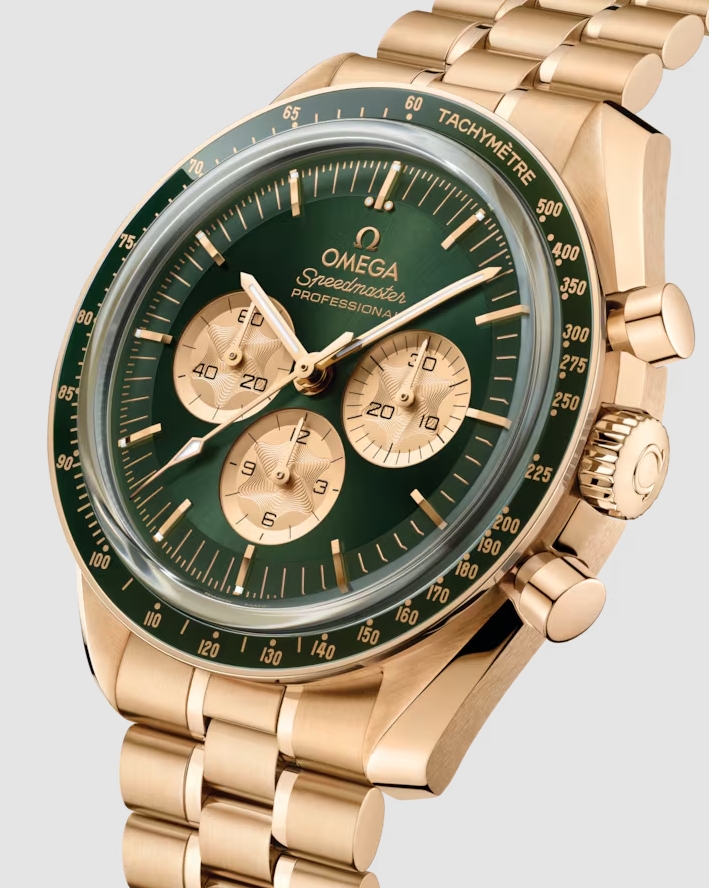
The Speedmaster is closely associated with chronograph timekeeping. Its design often includes multiple subdials, a tachymeter scale and pushers positioned around the crown. These elements create a distinctive appearance, but they also make the watch more technically demanding than a simple three-hand model.
One important point is that Speedmaster references are not all identical. The Moonwatch and other Speedmaster models can differ in movement type, case dimensions, dial layout and functionality. A comparison that does not identify the exact reference can easily become misleading.
When assessing a Speedmaster-inspired imitation, the useful questions concern more than whether the subdials are present. Do the chronograph controls perform the functions they appear to offer? Is the subdial arrangement consistent with the stated reference? Are the hands, scales and case proportions coherent with the particular model being represented?
Seamaster: Bezel Design, Dial Texture and Water Resistance
The Seamaster family includes a wide range of watches, from professional diving designs to more versatile everyday models. Some versions are recognised by their rotating bezels, prominent hour markers, distinctive dial patterns and robust case construction.
For an imitation, reproducing the external appearance is only part of the challenge. A rotating bezel should be judged by its construction and operation, while the crown and case seals are relevant to the watch’s protection against moisture. A diving-style appearance does not mean that a watch has been tested to the same water-resistance standard as a genuine Seamaster.
This distinction matters because water resistance is not established by a printed number or a seller’s promise. It depends on the condition and design of the seals, the case construction and proper pressure testing. An imitation should never be used for swimming or diving on the assumption that it matches the performance of the original model.
Constellation: Case Shape and Integrated Bracelet Design
The Constellation collection has a distinctive design language that has changed across generations. Bezel details, case profiles, dial treatments and bracelet integration all contribute to its identity. These features need to be considered together when comparing a particular reference.
A common weakness in broad product descriptions is treating every Constellation as if it shared the same construction. Older and newer models can have substantially different proportions and details. Without identifying the reference and generation, statements about visual accuracy are difficult to assess.
De Ville: Proportion, Restraint and Finishing
De Ville watches generally place greater emphasis on classic proportions and a more restrained appearance. Their dials may appear less complicated than those of a chronograph or diving watch, but that does not make their design details unimportant.
Case thickness, lug shape, dial balance, marker placement and finishing are particularly noticeable on a relatively simple watch. When there are fewer visual elements, small inconsistencies can become more obvious. A clean dial should not be mistaken for proof of high-quality construction.
Why Product Descriptions and Quality Labels Can Be Misleading
Online listings often use phrases such as “1:1 quality”, “top grade”, “Swiss made”, “super clone” and “original factory”. These expressions can sound technical, but they are not independent certifications. Without verifiable documentation, they provide little reliable information about the actual components inside a watch.
The same applies to claims about sapphire crystal, ceramic bezels, high-grade steel and automatic movements. A detailed specification list is useful only when the information can be checked. If the seller cannot explain the source of a movement or provide credible evidence for a material claim, the specification remains an assertion rather than a confirmed fact.
Price is not a dependable substitute for evidence either. A higher asking price does not guarantee better materials, more accurate construction or greater reliability. Different sellers may use similar descriptions for products with very different components, and a premium price does not turn an imitation into an authentic Omega watch.
For readers researching the wider replica Omega watches market, it is worth keeping these distinctions in mind. Product categories and descriptions can help explain how the market presents different Omega-inspired designs, but they should not be treated as independent verification of authenticity, engineering or performance.
What Can and Cannot Be Established from Photographs?
Photographs are useful for examining visible characteristics. With clear, consistent images, it may be possible to compare case proportions, dial layout, bezel markings, hand shapes, bracelet design and the placement of visible features against official model references.
However, photographs cannot reliably establish the movement’s identity, the quality of internal components, the origin of the materials or the watch’s actual timekeeping performance. They also cannot confirm whether a serial number is genuine or whether a warranty document is valid.
This is why visual comparison should be treated as one part of an assessment rather than a final verdict. A watch may look similar to an official reference and still differ substantially in construction. Conversely, differences between photographs may be caused by lighting, model generation or camera perspective rather than manufacturing quality.
For a genuine Omega watch, a more reliable assessment may involve checking the exact reference, reviewing its documented purchase history and asking an appropriately qualified watch professional to inspect it. If authenticity is in question, visual similarity alone is not enough.
Authenticity, Ownership and Consumer Risks
An imitation watch should not be confused with an authorised Omega product. It does not become genuine because it carries familiar branding, arrives with a presentation box or includes a card that resembles an official warranty document.
There can also be legal consequences associated with counterfeit goods. Trademark rules, import restrictions and consumer-protection laws differ between countries, so the position depends on the relevant jurisdiction. Buyers should not assume that purchasing, importing or reselling a branded imitation is legally permitted.
There are practical risks as well. Imitation products generally do not receive Omega’s official warranty or authorised servicing. If a movement fails, a component breaks or water enters the case, repair options may be limited. A seller’s return policy may also be difficult to rely on if the business is operating across borders.
Anyone considering an authentic Omega should use the brand’s official information and authorised retail channels to understand the model, its specifications and available support. For an existing watch whose authenticity is uncertain, an independent professional assessment is more useful than relying on online claims.
Final Thoughts on Replica Omega Watches
The market for Omega imitations is not as simple as a choice between a convincing appearance and a less convincing one. Different products can vary in movement type, chronograph operation, case finishing, dial construction, bracelet quality and long-term serviceability. Those differences matter because a watch is a mechanical object, not just an arrangement of recognisable design features.
Understanding the specific Omega reference is a sensible starting point. The Speedmaster’s chronograph layout, the Seamaster’s bezel and case construction, the Constellation’s distinctive proportions and the De Ville’s restrained finishing each call for a different kind of comparison. Broad labels such as “high quality” or “1:1” cannot replace that model-specific understanding.
Ultimately, the most useful approach is to separate what can be seen from what can actually be verified. Photographs can show design details. A movement inspection can reveal internal construction. Proper testing can establish certain performance characteristics. None of these should be replaced by marketing language or assumptions based on appearance.
That distinction is essential when researching replica Omega watches, and it is equally important when evaluating any watch advertised as an authentic luxury timepiece.